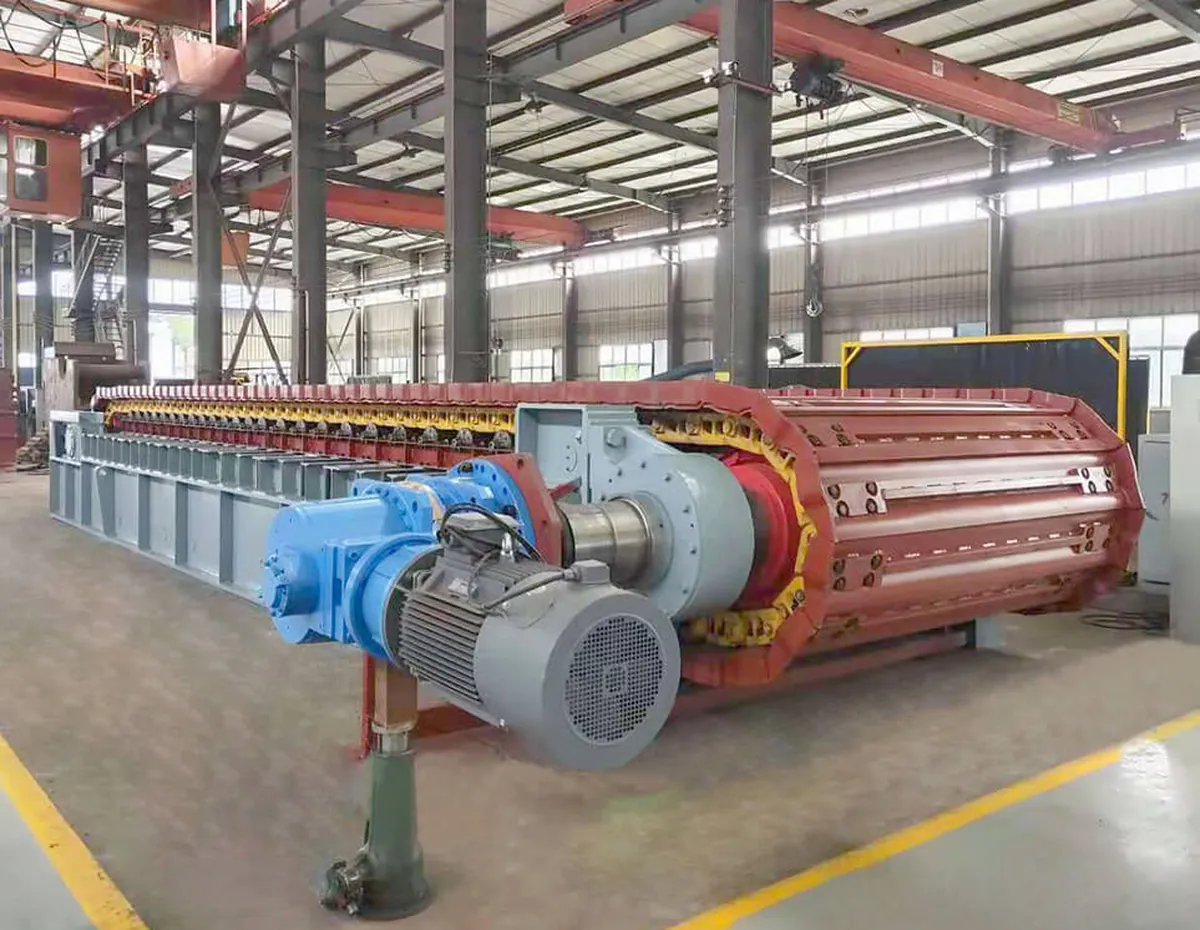
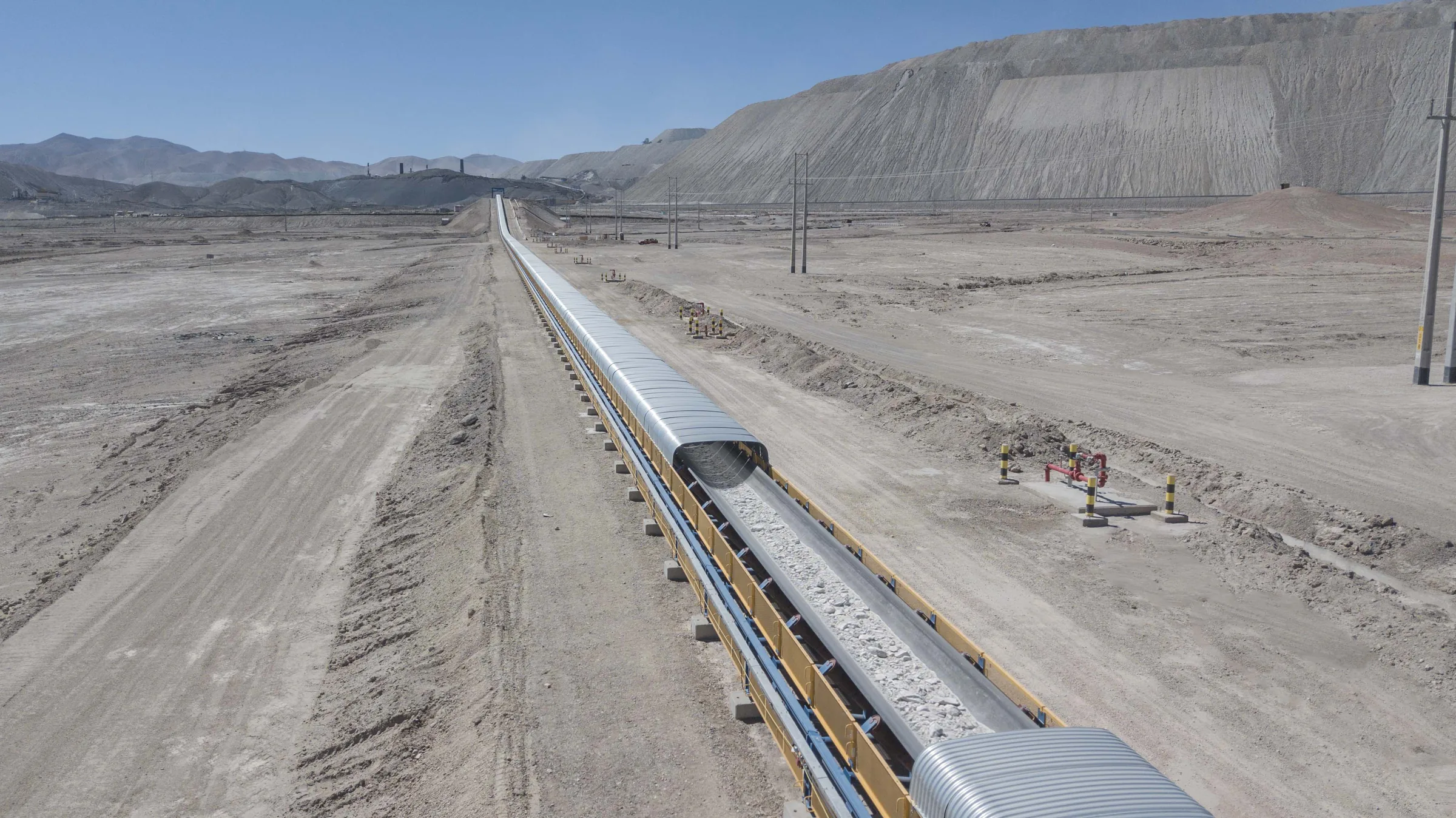
A conveyor enquiry is easier to discuss when it describes the job the equipment needs to do. A product name is a useful starting point, but the material, route and operating conditions help define the brief.
You do not need a complete specification before getting in touch. Separate the information you already know from the questions that still need engineering input.
Describe the material and the duty
Start with the material name, where it comes from and where it needs to go. Include available information about particle size, bulk density, moisture and temperature. If these details are estimates or come from an earlier project, say so.
State the handling rate you are planning around and the expected operating hours. Keep normal operation and any peak requirement separate, rather than combining them into a single unexplained capacity figure.
Explain the route
Share a layout, sketch or written description of the receiving and discharge points. Useful context includes the approximate route length, elevation changes, transfer locations and the equipment at either end.
Identify any known site restrictions, such as access limitations, existing structures or a limited installation area. If a route survey has not been completed, make that an open item in the brief.
Make the scope clear
Clarify whether the enquiry concerns a replacement conveyor, a new installation, an extension or a component package. List the interfaces and services you want to discuss.
- Equipment supply and the proposed limits of supply.
- Engineering or layout support.
- Installation and commissioning requirements.
- Existing equipment that must remain in operation.
- Available drawings and the revision they represent.
Finish with the project context
Include the project location, current planning stage and the date by which you need a response. Distinguish a budget enquiry from a purchase-ready requirement so that the next conversation starts with the right expectations.
A useful first enquiry ends with a short list of unanswered questions. Equipment configuration and supply scope can then be discussed against the actual application.